His work
Most of what Matt built was about sunlight: tracking it, concentrating it, and turning it into something useful. He kept his code public. His GitHub
Open patents
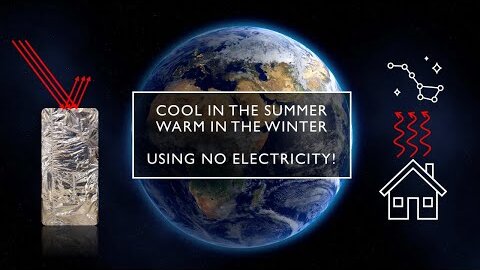
He put two of his inventions into the public domain as open patents, published on the Internet Archive in April 2023.
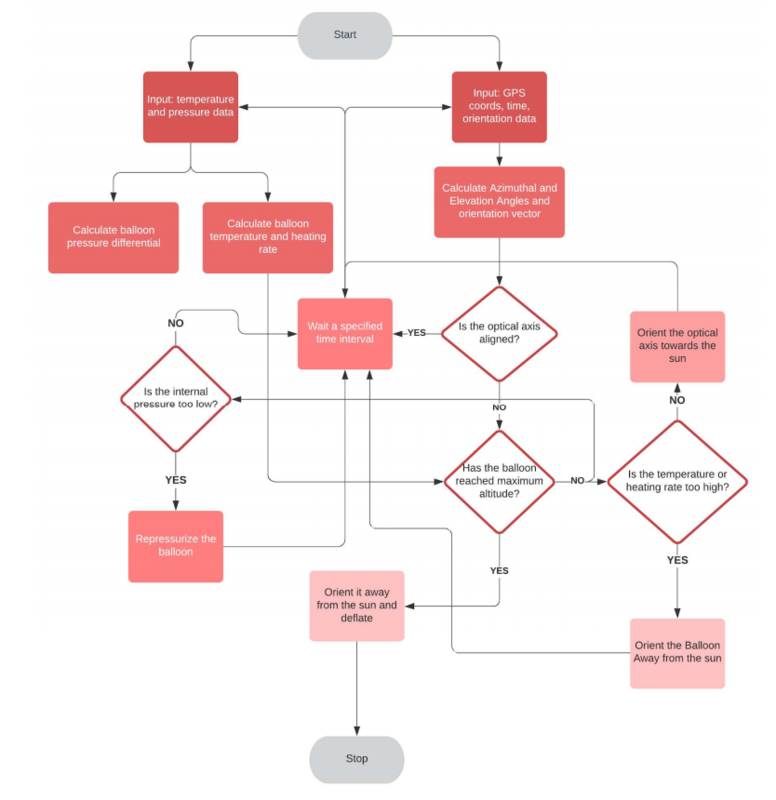
A balloon with a clear film to let sunlight in and a reflective or black inner surface to focus or absorb it, turned toward the sun by its own control system, so the sunlight becomes lift, heat, or energy.
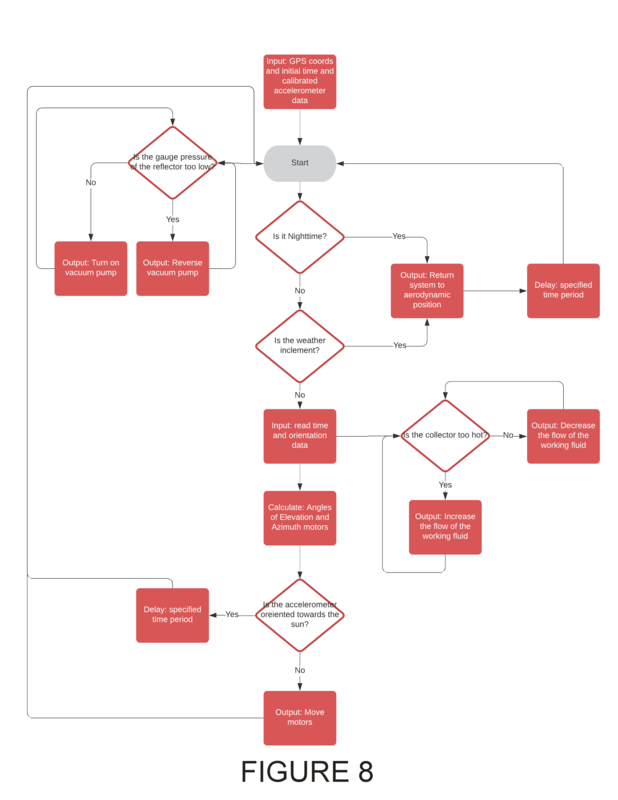
A reflector made of metalized film or mylar, cut into gores and pulled into a focusing shape over a simple frame by a partial vacuum, aiming sunlight at a heat exchanger or a solar cell. When the film wears out, it can be swapped for new film.
Projects
A low-cost solar tracker run by an Arduino. His earliest repository.
The solar power company that grew out of his senior design project at Stony Brook. He built its website himself; the header read e/σ = T⁴, the Stefan-Boltzmann law.

A solar-tracking desalination rig from his time at Stony Brook, with ESP32 and Arduino firmware that logged its sensor data to an SD card and a database.
Firmware for a self-regulating solar balloon: hold its altitude, measure temperature, pressure, latitude, and longitude, and calculate the angle of the sun.
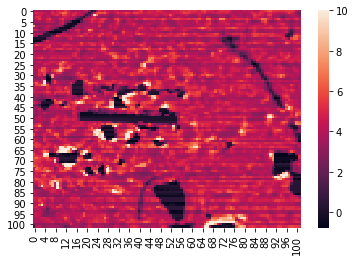
Research code that simulates laser-scanned graphene and fits the model to experimental scans with approximate Bayesian computation.
Argonne National Laboratory’s tool for estimating the structural life of solar receivers. Matt added a rainflow-counting fatigue damage calculator to it during his PhD, and recorded a tutorial on how to use it.
His copies of NREL’s SolTrace, a ray tracer for concentrating solar power, and OWL, a library for GPU ray tracing with NVIDIA OptiX. He wrote an install guide for OptiX and OWL for his classmates.
Writing
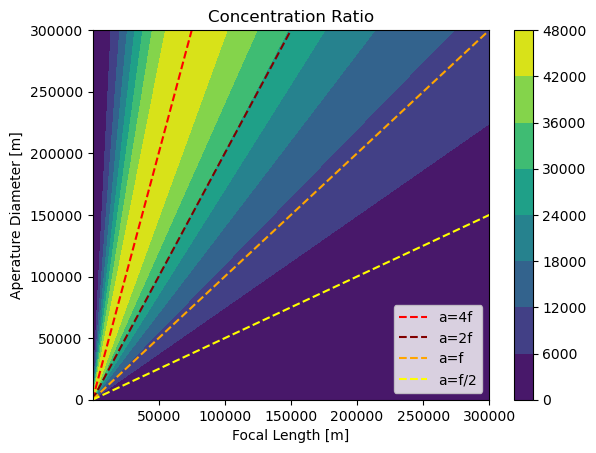
- Analysis of a Solar Thermal Beam-Powered Propulsion Rocket (and why it probably wouldn’t work) (2023, age 24)
He worked out, with the math, whether mirrors and concentrated sunlight could heat a rocket all the way to orbit.
His first post, on why you have to start before you are ready.
- ME 759 Quickstart Guide
One of many guides he wrote for the students after him. In his words: “This tutorial is essentially what I wish I had to save me a lot of headaches in the beginning of the course.”
Ideas he was working through
From his website, in his words:
- propulsion (specifically beamed powered propulsion)
- energy generation and storage (similar to HighView Power)
- carbon capture
- aerospace (ground effect vehicles, high altitude balloons, etc.)
- ergonomics/productivity (standing desks, biosensors, etc.)
- SLA-like 3D printers (for printing metal and other substances).
- lots of stuff with ferrofluid
- lots of opinions on how high school and college education should be conducted